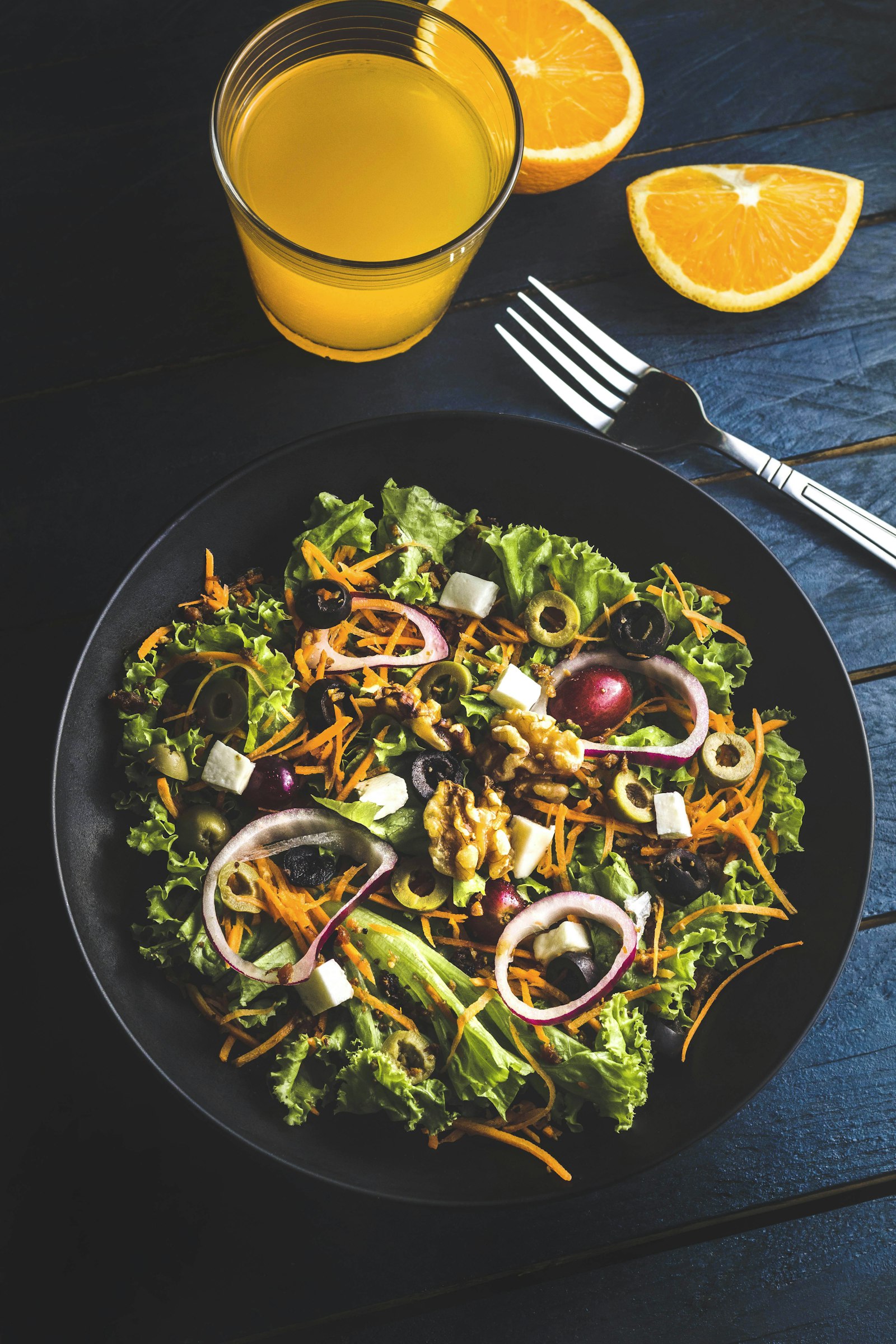
On Rhodes, lunch is not a pause between activities. It is the activity. The table expands until conversation has somewhere to sit. Plates arrive not as a sequence of courses so much as a constellation: dips in small bowls, greens gleaming with oil, fish that still tastes of the morning’s wind. If you measure the meal by efficiency, you will misunderstand it. If you measure it by how the light moves across the cloth, you are getting closer.
I learned this on a terrace above a quiet lane near Lindos, where a family table had already been underway for an hour when I arrived as a guest of a friend of a cousin — the classic Aegean chain of hospitality. No one checked a phone for the “next thing.” The next thing was more bread. Then tomatoes that tasted like they had a biography. Then a second pour of pale local wine that made the afternoon lengthen without announcement.
Olive oil as climate and character
Rhodian cooking begins with oil the way some cuisines begin with butter or stock. The best oil here is green at the edge of the spoon and soft in the throat — grassy, slightly peppered, never showy. It carries oregano, lemon, and the sweetness of slow-cooked onions. It is also a cultural stance: abundance without waste, flavor without disguise. When island cooks say a dish is “simple,” they often mean the ingredients were good enough to refuse complication.
Mezze culture formalizes that stance. Tzatziki cools. Melitzanosalata smokes quietly. Chickpeas arrive warm with cumin and lemon. Tiny fried fish disappear faster than anyone admits. The point is not to finish every plate in a race; the point is to keep options open while talk migrates from weather to politics to who is getting married in September.
A slow lunch on Rhodes is less about appetite than about agreeing, together, that time can be edible.
Fish, fire, and the honesty of a grill
When the grill lights, the table’s center of gravity shifts. Whole fish, scored and salted, need almost nothing. The cook watches the eye turn opaque and the skin blister into a map of gold. Diners lean in. There is a particular silence that greets a well-grilled fish — not reverence exactly, but a collective decision to stop performing and start eating. Lemon halves are squeezed with ceremony. Bones are negotiated. Someone always claims the cheek.
Vegetables are not side notes. Wild greens, when in season, taste faintly of hillside. Beans stewed in tomato become velvet. Potatoes roast until their edges lace. In Lindos and along the southeast coast, you also meet the tourist menu — familiar Greek classics prepared for wider tastes — but the meals that stay with you are usually the ones where a grandmother’s logic still governs the kitchen: taste, feed, insist, feed again.
Etiquette without rules
There is little formal etiquette, and yet everyone knows the choreography. Bread is communal. Sharing is assumed. Refusing a second helping requires strategy and sincerity. Coffee arrives eventually, thick or frothed depending on the house, and dessert may be fruit so ripe it needs a plate more for dignity than necessity. The bill, when it comes in a taverna, is often settled with a shrug toward fairness rather than itemized theater — though practices vary, and guests should remain attentive and kind.
What Aegean Journal looks for in food writing is not a ranking of tables, but a record of how flavor organizes social life. On Rhodes, the table is where news travels, where children learn to sit among adults, where visitors are tested gently for their willingness to linger. You can swim afterward. You can nap. You can walk the white lanes in a haze of oregano and sun. The lunch will have done its work either way: it will have made the day thick enough to remember.
As evening approached on that Lindos terrace, someone brought a small plate of baklava and no one pretended to need it. We needed it anyway. The sea had turned the color of hammered metal. A scooter hummed below. I wrote one line in my notebook before the light failed: Here, hunger is only the opening argument. The rest of the meal is how an island teaches belonging — one shared plate at a time.